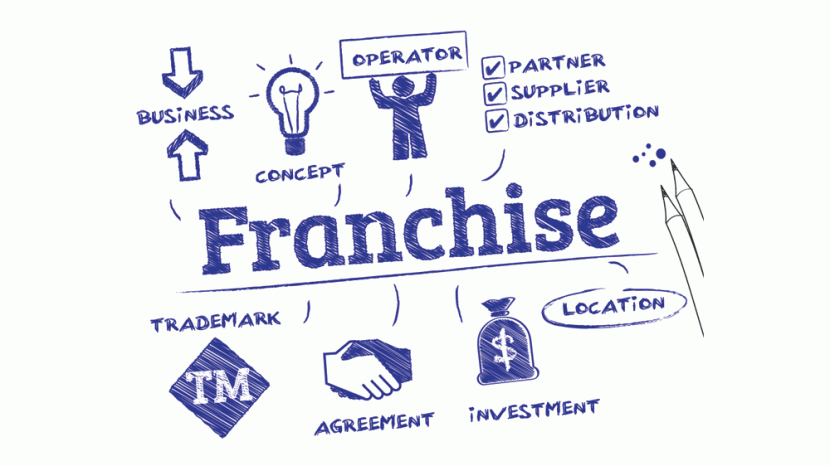
Franchising has changed a lot in recent years, both in India and around the world. People no longer choose franchises based only on brand names or how much money they need to invest.
In 2025, we are living in a time where digital tools and new ideas are leading the way. Customer habits are changing fast, technology is running many parts of businesses, and entrepreneurs are not just looking for safe options anymore—they want business models that are meaningful, can grow, and will last into the future.
Whether you are new to business and want to leave the 9-to-5 life, or an experienced investor wanting to add something new to your portfolio, this article will guide you through everything you need to know step by step.
Why Franchising is a Good Choice for Young Entrepreneurs
Starting your own business can be tough, but franchising offers some real benefits that make the process easier:
- Proven Success – Independent businesses often fail 70-80% of the time in five years. Franchises have a much lower failure rate—only about 10-15%.
- Faster Profits – Well-known brands bring in customers more easily, helping you reach break-even sooner.
- Support and Training – Franchisors usually give full training and help, so you’re not figuring things out on your own.
- Strong Network – Franchisees often support each other by sharing advice, tips, and ideas.
11 Things to Think About Before Buying a Franchise
Know Your Franchise Preferences
Starting a franchise is just like starting any business. You need to be clear about what you want. Ask yourself:
- What are my goals? Are you after more income, better work-life balance, or a complete career change? Your reason will help you choose the right franchise.
- Which industry do I want to join? Choose something you enjoy. Whether it’s food, retail, education, cleaning, or fitness—there’s something for everyone.
- How involved do I want to be? Some franchises need you to be hands-on every day, while others can be managed from a distance.
- What are my strengths? Think about what you’re good at—sales, people skills, managing a team—and choose a business that matches those strengths.
- What’s my budget? Costs can range from under INR 10 lakh to over INR 1 crore. Know how much you can invest before you start.
When you understand your own needs and interests, you can choose a franchise that fits you both personally and financially.
Research Franchise Opportunities in Your Chosen Industry
Once you’ve decided on your goals, budget, and preferred industry, start looking at franchise options. Begin with well-known brands that have branches in many cities and states.
Find out how their franchise model works, what qualifications they need, and what kind of support they provide. Make a shortlist of the brands that match your goals, and reach out to them directly.
You can explore franchise opportunities on websites like:
- FranchiseIndia.com
- Franchising.com
- BizBuySell
- Franchise Gator
Contact Franchisors That Interest You
Most brands have a section on their website with franchise details. Use these pages to send inquiries. If the brand responds quickly and offers a call within a day, that’s a good sign. If they take too long, it might be worth exploring other options.
Ask the Right Questions in the First Call
Your first call with a franchisor is a chance to get to know them better. This isn’t a formal meeting—it’s more of a casual chat to see if the business is a good fit.
Ask questions like:
- Where are they looking to open new outlets?
- How well are their current franchisees doing?
- What kind of training and help do they offer?
Also, ask what they’re looking for in a franchise partner. Some want people with experience in the industry, while others look for general business or people skills. Use this time to see if your goals and experience match what they want.
Visit Franchise Locations
After narrowing down your choices, visit a few outlets in different areas. Check how the stores are run—look at branding, cleanliness, customer service, and overall standards. If everything looks well-managed, that’s a sign that the brand supports its franchisees properly.
Talk to Current Franchisees
If you want a real look at the business, talk to people who already own a franchise under the brand. Ask them:
- Do they feel supported by the franchisor?
- Are there extra costs or fees?
- Do they have exclusive rights in their area?
Many franchisors also hold “Discovery Days” where you can meet franchisees and ask questions in person. You can also visit franchise expos and events, like the International Franchise Association’s annual conference, to learn more.
Calculate the Total Cost of Starting a Franchise
Opening a franchise can be exciting, but it’s important to know all the costs before you begin. The Franchise Disclosure Document (FDD) gives a full breakdown of expenses, including:
- Franchise fees – The upfront cost to get started
- Royalties – Ongoing payments, usually monthly or quarterly, based on sales
- Vendor payments – Some brands require you to buy from approved vendors
- Marketing fund contributions – Many brands collect money from franchisees for national or regional ads
There are also other costs to consider:
- Equipment – Special tools or machines needed to run the business
- Build-out costs – Renovating or setting up your store location
- Local marketing – Advertising in your area to bring in customers
- Licenses and permits – Legal approvals, which vary by area and industry
- Staff salaries – You’ll need to pay your team
Once you’ve added up all these costs, you’ll have a clearer idea of your total investment. Many franchisors also require you to meet certain financial standards, like having enough cash on hand or a certain net worth, to make sure you can manage the business in the early stages.
Understand Ongoing Costs and Challenges
Keep an eye on regular expenses like vendor fees. Some franchisors make you buy only from specific suppliers, which might be more expensive.
Read the FDD carefully—it also includes information on the franchisor’s legal history and how many outlets have opened or closed. Try to find out why any stores were shut down. You can also talk to former franchisees for their honest feedback.
Review the Item 19 Document
The Item 19 section in the FDD usually shows details about average sales, revenue, and profits. Make sure it includes information from both company-owned and franchised stores. If the franchisor doesn’t want to share this, ask why.
Know Your Territory Rights and Support
When you invest in a franchise, you should also get territory rights. This means the company won’t let another outlet open too close to yours. Make sure this is clearly written in your agreement.
Ask:
- Will I have exclusive rights to my area?
- Can another outlet be opened near mine?
Make Your Final Decision
Before signing the agreement, take some time to think about everything you’ve learned. Ask yourself:
- Was I able to ask honest questions to the franchisor?
- Did anything make me feel unsure?
- Do I see a clear path to profit?
- Did I feel guided or just sold to?
Franchise contracts usually last five to ten years. This is more than just a business deal—it’s a long-term partnership.
Conclusion
Choosing the right franchise means doing your research, asking the right questions, and picking something that matches your skills and goals.
Think about what you’re good at—whether it’s working with people, managing a team, or handling day-to-day tasks. These strengths will help you run your franchise better.
Once you understand your own strengths and goals, you can choose a franchise that feels right. That way, you’re not just starting a business—you’re building a future that fits your life and makes you feel proud.
