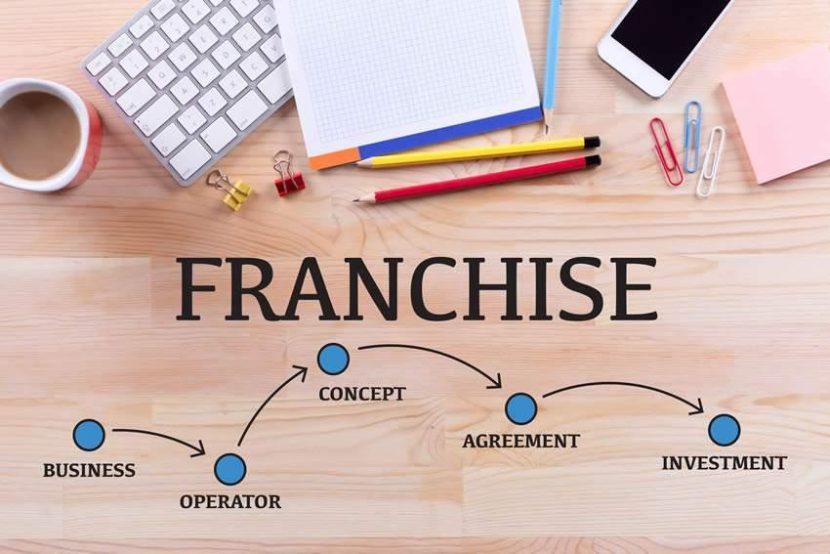
Franchising can be a great choice for people who want to run a business with the support of a larger company. It offers a way to take part in a proven system while still being in charge of day-to-day operations. But many people who are thinking about starting a franchise are unsure of how the process works.
This guide explains the basics of franchising, its pros and cons, and gives helpful steps for launching a franchise business successfully.
Understanding the Basics of Franchising
A franchise is a business setup where the owner of a brand (the franchisor) gives someone else (the franchisee) permission to open a location using that brand’s name and system. The franchisee follows the model already created by the franchisor.
The franchise agreement outlines how the franchise will operate. It usually includes support from the franchisor, such as training, supplies, and marketing tools, to help the franchisee succeed in a new area.
The Idea Behind Franchising
While the basic idea of franchising has been around for hundreds of years, it became more common in the second half of the 1900s. As suburbs grew, so did the need for businesses in those areas. Franchising became a smart way for people to own a business that was already proven to work.
This model helps brands grow into new regions while giving people the chance to be business owners using a known name. Big names like McDonald’s, The UPS Store, and ServPro are well-known examples.
Franchising vs. Licensing
The main difference between franchising and licensing lies in how the business operates. A franchise allows a person to run a business under a proven model, offering services or products in a set way. Licensing, on the other hand, gives someone the right to use a brand name or logo on a product, without giving them access to a full business system.
Franchising is usually better for service-based businesses, while licensing is more common for selling physical products.
Types of Franchising
There are different types of franchises, each with its own setup and needs. Here are the main ones:
- Business Format: This is the most popular type. The franchisor provides a complete system, including branding, training, and operations. Fast-food and service franchises like Subway or McDonald’s use this format.
- Product Distribution: The franchisee sells a product made by the franchisor but doesn’t use a full business system. Soft drink companies and car dealerships like Coca-Cola and Ford are examples.
- Investment Franchise: This type needs a large investment. The franchisee may not manage the business directly. Examples include hotels or large restaurants.
- Conversion Franchise: Existing businesses switch to operate under a franchise name. This is common in real estate companies like Century 21.
- Manufacturing Franchise: The franchisee is allowed to produce and sell goods using the franchisor’s brand. This is often used in food and beverage businesses.
- Home-Based or Low-Investment: These can be run from home or with a small setup. Examples include cleaning, lawn care, and mobile pet grooming. They usually require less money to start.
How to Franchise a Business
1. Know Your Market
Understand your customers and the local area. Choose a franchise that brings something new to the community rather than one that adds to existing competition. For example, opening another burger place in a neighborhood with several already may not be the best idea.
2. Create a Business Plan
Even with the support of a franchise, you still need a business plan. It should include a summary of your goals, market research, and an operations plan. A strong plan will help you become profitable sooner.
3. Figure Out the Costs
Big-name franchises often come with higher starting costs. Each franchisor will have a different fee, so gather details about the initial payment, ongoing costs, and possible profit sharing. This helps you make smart money choices.
4. Set Up a Corporation or LLC
To protect your personal and business assets, consider forming a legal business structure. A corporation or LLC can give you tax benefits and make it easier to grow your franchise. Many franchisors prefer working with formal business entities.
5. Secure Financing
You may need a loan to cover the startup costs. This can come from a bank, credit union, the Small Business Administration, or even family members who want to help. Get your funding in place before signing any agreements.
6. Prepare a Franchise Disclosure Document (FDD)
The FDD is a legal paper that the franchisor must give to you. It includes details about other franchisees, how many have joined or left in the past year, and what the franchise involves. This helps you make a more informed decision.
7. Follow Standard Procedures
Use the training and materials given by the franchisor to run your location. This ensures your operations match the brand’s standards and helps things run smoothly from the start.
8. Use Branding and Marketing Tools
Franchises offer access to ready-made branding and advertising plans. These tools can help bring in customers without needing to create marketing strategies from scratch. Stay consistent with the brand’s image across all your materials.
9. Build a Strong Team
Hire dependable managers and staff. Your team should share the same goals and work well together. Lead by example and treat everyone with respect to create a healthy work environment.
10. Stay Compliant and Maintain Quality
Follow all rules and guidelines set by your franchisor and local authorities. This includes getting any needed licenses or permits. Regular checks will help keep your business in good standing.
11. Keep Improving
Franchisors provide a good base, but you should still aim to do better. Take part in community events, keep your staff happy, and continue to find ways to improve your business.
Pros and Cons of Franchising a Business
Benefits of Franchising:
- Faster Growth: Franchises can grow quicker because franchisees invest in new locations.
- Lower Risk: Franchisees use proven systems, and franchisors share the financial risk with their partners.
- Brand Recognition: Customers are more likely to visit a business they already know and trust.
- Support and Training: Franchisors offer help with operations, marketing, and training, making it easier to run the business.
- Better Success Rates: Franchises usually do better than independent businesses due to their structure and support.
Challenges of Franchising:
- Fees and Royalties: Franchisees must pay fees that can affect profits.
- Limited Freedom: You must follow the rules and systems set by the franchisor.
- Possible Conflicts: Disagreements may happen about payments, territory rights, or support.
- Growth Limits: Some franchisors limit where you can open new locations.
- Brand Dependence: If the main company faces problems, it can hurt your location too.
- Contract Terms: Franchise agreements can be long, and renewal terms may change later.
Is Your Business Ready to Become a Franchise?
If you’re thinking about turning your business into a franchise, here are some signs that you may be ready:
- Successful Business Model: Your business should show steady profits over time and be easy to copy in new areas.
- Clear Value: You need something special that sets your business apart from others.
- Easy to Grow: Your systems and processes should be simple enough for others to follow.
- Strong Brand: A known name and loyal customers make it easier to expand.
- Support System: You need the ability to train and help franchisees regularly.
- Legal Setup: You must be ready to meet legal rules and protect your brand.
Also consider:
- Customer Demand in Other Areas: If people ask for your business elsewhere, that’s a good sign.
- Detailed Processes: Have clear guides for operations and service.
- Profitability: High profits with manageable costs will attract future franchisees.
- Ongoing Support: You’ll need a team to help new locations succeed.
- Long-Term Commitment: Franchising takes time, planning, and a focus on building strong partnerships.
Franchising FAQs
How long does it take to franchise a business?
It usually takes 3 to 12 months. This time is spent preparing legal documents, registering with authorities, writing manuals, and building a plan to find franchisees.
What are the main costs of franchising?
Costs range from $20,000 to over $100,000. Expenses include:
- Franchise and royalty fees
- Legal costs
- Registration fees (if required)
- Business consulting
- Marketing materials
- Operations manuals
- Training programs
Do I need a franchise lawyer?
Yes, hiring a franchise lawyer is strongly advised. They can help with legal paperwork, make sure you meet all regulations, and protect your brand. Not having legal help could lead to big problems later.
Can licensing replace franchising?
Not always. Licensing allows someone to use your brand but doesn’t include full support and business systems. If you plan to guide how others ru
