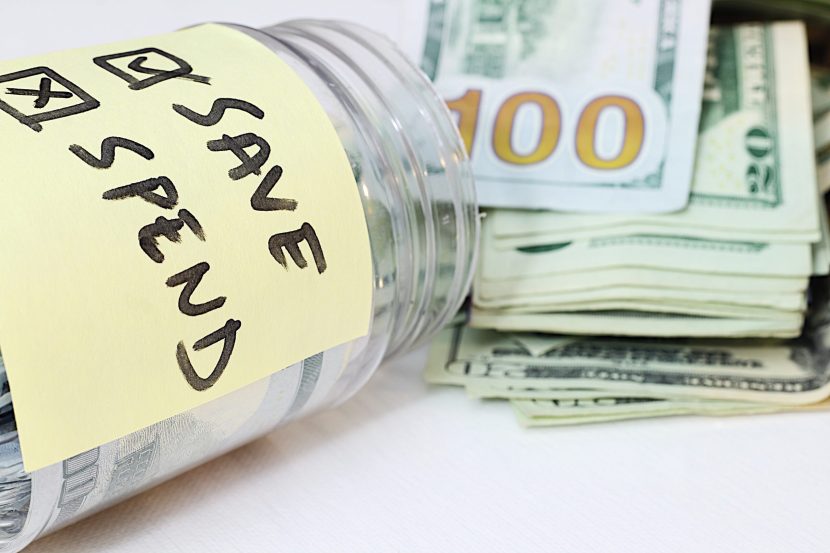
Trying to save money is a smart goal, but not every money-saving habit works the way you expect. Sometimes, the steps you take to cut costs end up making you spend more later on. These habits often seem like a good idea at first. But when you take a closer look, you may find that some of them are actually hurting your budget. Knowing which habits don’t really help can guide you to better choices. Here are some common money-saving habits that could end up costing you more.
1. Buying in Bulk Without a Clear Plan
Buying in bulk often feels like a good way to save. You pay less per item and take fewer trips to the store. But if you don’t plan what to do with those bulk items, they can go to waste. Perishable foods like fruits, vegetables, dairy, and meat can spoil before you use them. Even items that don’t go bad quickly can sit untouched and expire. Instead of saving, you’re losing money. The better choice is to buy in bulk only when you know you’ll use everything in time. Make a list and stick to it. If you’re unsure, skip the bulk deal.
2. Skipping Regular Maintenance
Some people skip regular upkeep for their car, home, or appliances to cut back on spending. Services like oil changes, home system checkups, or small repairs may seem unnecessary. But putting them off can lead to bigger problems and higher repair bills. For example, not getting oil changes can damage your engine, which is much more expensive to fix. Small issues in your home, like leaks, can turn into costly repairs if ignored. Regular maintenance helps you catch problems early and avoid large expenses. The U.S. Department of Energy suggests regular HVAC checkups to keep systems running well and to prevent breakdowns.
3. Always Choosing the Cheapest Option
Trying to save by picking the cheapest product or service doesn’t always work out. Cheaper items like shoes, electronics, or tools may wear out quickly and need replacing. In the long run, you might spend more than if you had bought a better-quality item to begin with. This also applies to services. Choosing the lowest-priced contractor or repair person can result in poor work, which leads to more costs later. It’s better to look for value and quality instead of just the lowest price. Spending a bit more upfront can save you money over time.
4. Driving Long Distances for Cheaper Gas
It may seem smart to drive farther to get lower gas prices. Saving a few cents per gallon sounds good, but the extra miles can use more gas than you save. Plus, your car experiences more wear and tear. In the end, the savings might disappear. A better option is to use a gas app to find cheaper fuel along your normal routes. Save money where it makes sense, not just for the sake of saving.
5. Extreme Couponing
Using coupons can help cut costs, but extreme couponing often leads to buying things you don’t really need. You might buy items just because you have a coupon, not because you use them often. This can cause waste, clutter, and overspending. Also, the time spent searching for deals and organizing coupons can be used in better ways. Try using coupons only for items you already plan to buy, and don’t let a discount push you to spend more.
6. Doing Everything Yourself
Doing things on your own can help you save, but it doesn’t always work out that way. Some tasks need special tools or skills. If something goes wrong, you may end up paying more to fix it than if you had hired a professional. This is especially true for jobs like plumbing, electrical work, or car repairs. Know what you can handle. It’s okay to do simple jobs yourself, but call in a pro when the task is beyond your ability. Consumer Reports gives good advice on when to do it yourself and when to hire help.
7. Signing Up for Store Credit Cards to Get Discounts
Store credit cards often offer a big discount on your first purchase. But they usually come with high interest rates and extra fees. If you don’t pay off the full balance, interest charges can cancel out any savings. Having too many cards can also lower your credit score. Only open new credit accounts if you really need them and know you can pay them off every month. Don’t let a one-time deal lead to long-term debt.
8. Skipping Health Care to Save Money
Some people skip doctor visits, dental cleanings, or needed medicine to avoid spending money. But ignoring your health can lead to bigger and more expensive problems later. A small health issue might become serious if not treated early. Preventive care is often covered by insurance and can help spot problems before they get worse. Don’t avoid care to save money now. Taking care of your health is always a smart investment.
9. Buying Just Because Something Is on Sale
Sales are tempting, but buying items just because they’re marked down doesn’t mean you’re saving. You could end up with things you don’t need or even want. This can also lead to buying on impulse and building up clutter. Before buying, ask yourself if you would pay full price for the item. If the answer is no, then it’s probably not worth it. Try to focus on buying what you actually need, not just what’s on sale.
Smarter Saving Starts with Being Aware
Saving money matters, but not every habit leads to good results. Some habits that look like smart choices can cost you more over time. By paying attention to what really works, you can avoid these mistakes and make better decisions. Think about the full cost of your habits, not just the price tag. Small, thoughtful changes can lead to real savings over time.
