Digital marketing, also known as online marketing, is a way of promoting products and services using the internet and digital tools. It serves the same purpose as traditional marketing but focuses on digital platforms like computers and smartphones instead of newspapers, radio, or TV.
Keep reading to explore digital marketing strategies and learn how to start a career in this growing field.
What is Digital Marketing?
Digital marketing campaigns are designed to increase brand awareness, boost sales, and promote products and services. A study from April 2024 found that 5.44 billion people (67.1% of the world’s population) use the internet, and 5.07 billion use social media. This rapid growth in online users has led to an increase in digital marketing efforts.
As a result, businesses are investing more in digital marketing each year. According to IDC’s 2023 Digital Business Survey, 62% of Indian companies expect more than half of their revenue to come from digital sources by 2026. Given this trend, digital marketing is expected to keep growing and impacting various industries within India’s digital economy.
Data plays a significant role in digital advertising. By tracking a customer’s online activity in real time, marketers can gather valuable insights and target specific audiences with content tailored to their preferred digital channels.
5 Popular Types of Digital Marketing
Digital marketers use different strategies to connect with potential customers. Here are some of the most effective digital marketing approaches used by businesses of all sizes today.
1. Search Engine Optimization (SEO)
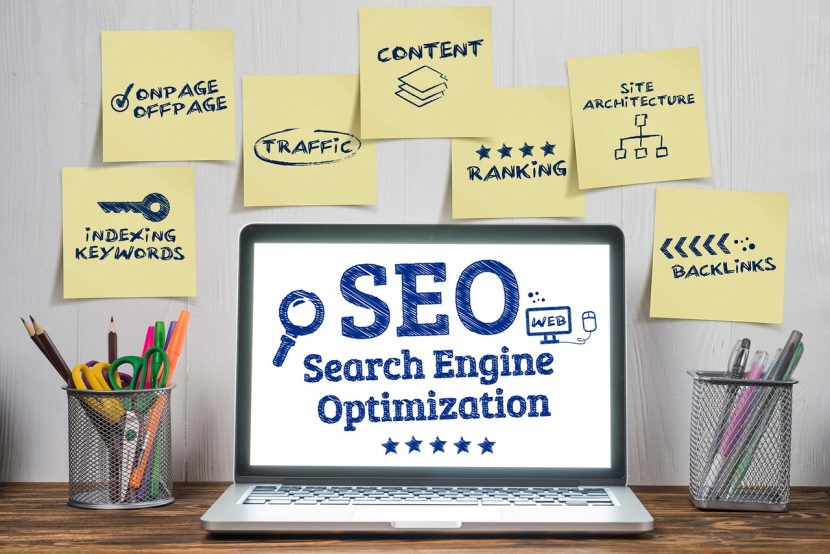
SEO is a technique that helps online content rank higher on search engines like Google and Bing. When you search for something online, you typically see thousands of results, but most people only look at the first few suggestions. SEO helps businesses get noticed by making sure their content appears near the top of search results.
Digital marketers use SEO to drive organic traffic to their websites. They also collect data to measure how well their campaigns perform, tracking metrics like click-through rates (CTR) and conversion rates. Some key SEO strategies include:
- Creating high-quality blog posts and social media content that match what people are searching for.
- Using keywords to help search engines identify relevant content.
- Incorporating long-tail keywords (specific search phrases) to target the right audience.
- Ensuring web pages load quickly and work well on mobile devices.
How Data Powers SEO
SEO marketing relies on data to track engagement. Marketers analyze bounce rates, CTR, and other metrics to measure a webpage’s effectiveness. They use tools like Google Analytics, SEMRush, and business intelligence platforms like Tableau and Looker to collect and interpret this data.
2. Content Marketing
Content marketing involves creating and sharing valuable content to attract a target audience. Instead of focusing on direct sales, this approach builds brand awareness through engaging material.
Content marketing can include both digital and traditional media, but it is most commonly used online. Businesses use this strategy to attract customers by providing useful and entertaining content, encouraging potential buyers to engage with their brand. Common types of content marketing include:
- Informative articles and blogs
- Engaging videos
- Social media posts
- Podcasts
- Affiliate marketing
3. Email Marketing
Email marketing uses email campaigns to communicate with customers. Businesses send timely messages to large groups of subscribers to promote discounts, sales, and new products or services. Many email marketing agencies in India, such as Octane, Mail Marketer, and MailGet Bolt, help companies connect with customers effectively.
Common email marketing strategies include:
- Sending promotional emails during holidays to increase brand awareness.
- Sending mass emails to inform customers about upcoming sales events.
- Personalizing emails with tailored offers and messages for specific groups of subscribers.
4. Pay-Per-Click (PPC) Advertising
PPC advertising is a digital marketing strategy where businesses pay a publisher (such as a search engine or social media platform) every time their ad is clicked. This method allows companies to target potential customers effectively.
Examples of PPC advertising include:
- Banner ads that appear on the sides or top of a webpage.
- Sponsored social media ads that show up in users’ feeds.
- Ads that appear when someone searches for a specific keyword on Google.
5. Social Media Marketing
Social media marketing involves using platforms like WhatsApp, Instagram, and Facebook to connect with potential customers. It has become a key part of digital marketing, allowing businesses to reach large audiences through targeted campaigns.
Social media platforms attract billions of active users, making them ideal for marketers. A study from April 2024 reported the number of active monthly users on major social media platforms:
- Facebook: 3.065 billion users
- YouTube: 2.504 billion users
- WhatsApp: 2 billion users
- Instagram: 2 billion users
In India, 462 million people use social media, accounting for 32.2% of the population. Businesses use social media marketing through various methods, such as:
- A promotional video by British Airways featuring their UK-based cabin crew flying into India for the first time, along with a special flight offer between the UK and India.
- Influencer marketing, where brands collaborate with influencers who share brand-related content on Instagram, such as Sabyasachi’s fashion-focused posts.
Digital Marketing Salary and Job Outlook
The demand for digital marketers is growing, and salaries vary based on experience and job role. With more companies investing in digital marketing, the industry’s value in India was ₹406.85 billion in 2023 and is expected to grow to ₹620.45 billion by 2025.
According to Glassdoor, the average monthly salary for a digital marketer in India is ₹23,500 as of June 2024. Digital marketing managers typically earn around ₹8,50,000 per year.
How to Start a Career in Digital Marketing
To become a digital marketer, you need a strong understanding of marketing, business, communication, and digital tools. Many employers prefer candidates with a degree in business or marketing, though it is not always required if you have the right skills. Internships or apprenticeships can also help build experience.
Besides formal qualifications, building a portfolio showcasing your digital marketing skills is essential. Some key skills to highlight in your portfolio include:
- Marketing knowledge
- Communication skills
- Teamwork
- Creativity
- Decision-making
- Data analysis
By developing these skills and gaining practical experience, you can establish a successful career in digital marketing.
