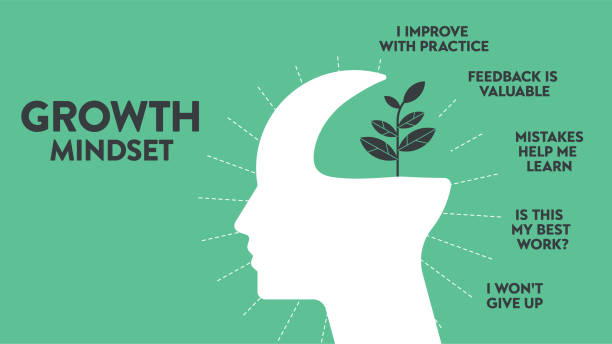
We all have our own way of thinking—how we look at the world and handle tasks. Some people tend to have a growth mindset, always looking for ways to improve by asking themselves questions like, “How can I do better, move faster, or become stronger?” Others may have more of a fixed mindset, feeling comfortable with how things are and moving through each day without questioning much.
But here’s the thing: Mindsets aren’t set in stone. You can always change how you see things and how open you are to growing. We spoke with mental health experts to learn how to build a growth mindset—and why it’s worth the effort.
What Is a Growth Mindset?
People with a growth mindset believe they can build skills, talents, and knowledge through hard work, focus, and learning, says licensed therapist Rachel Goldberg, founder of Rachel Goldberg Therapy in Los Angeles. The idea, first shared by psychologist Carol Dweck in 2006, is based on the belief that you can always improve by putting in the effort and working with others.
“When challenges come up, people with a growth mindset see them as chances to grow—not reasons to back away,” Goldberg explains. In fact, many people with a growth mindset find these challenges exciting because they want to push themselves to overcome them.
For example, someone with a growth mindset may not be a strong runner at first. But that won’t stop them. They believe they can learn and train, and that with time and effort, they could run a 5K or even a marathon. They understand it won’t be easy, but they trust that they can make progress if they stick with it.
Growth Mindset vs. Fixed Mindset
A fixed mindset is the belief that talents and abilities are something you’re born with and can’t change much, Goldberg says. People with this mindset often avoid challenges because they fear failure.
“They might think their effort doesn’t matter—that if they’re not already good at something, they’ll never be, so it’s not worth trying,” Goldberg says. They may also take feedback personally and see it as criticism instead of a way to improve.
So, someone with a fixed mindset who thinks about running may quickly dismiss the idea. They might tell themselves, “I’m not a runner and never will be,” and not even try.
Common Traits of a Growth Mindset
“With a growth mindset, you believe you can learn most things if you give yourself time and practice,” says Carl Nassar, PhD, a psychotherapist and licensed professional counselor based in Denver. “Your past doesn’t decide your future—you get to shape it.”
Here are some common habits of people with a growth mindset:
1. Facing Challenges
People with a growth mindset see challenges as a chance to learn. “They treat life as a series of learning moments—mistakes and wins alike help them grow,” says Nassar.
2. Learning From Mistakes
“People with a fixed mindset believe a mistake means they’ve reached their limit,” Nassar says. “But those with a growth mindset know mistakes can teach them something and help them do better next time.”
3. Pushing Through Hard Times
If a runner with a fixed mindset gets injured, they might give up, thinking they were never meant to run. But someone with a growth mindset will focus on recovery and still work toward their goal.
4. Being Open to Feedback
“People with a growth mindset ask for feedback and use it to improve,” Goldberg says. Instead of feeling threatened, they see it as an important part of learning.
5. Believing in Effort
Those with a growth mindset believe hard work leads to improvement. “When you believe there’s always more to learn, you stay active in life and keep growing,” Nassar explains.
6. Being Inspired by Others
“People with growth mindsets are motivated by others who’ve already done what they’re trying to do,” Goldberg says. They often try to follow in their footsteps. People with fixed mindsets may think talent is something only a few are born with.
7. Enjoying the Work
Even when things are hard, people with a growth mindset often find the process exciting. They see the journey as a meaningful part of their success, Goldberg says.
Benefits of a Growth Mindset
When you work on building a growth mindset, it can bring real rewards:
1. Doing Better in Life
Research from 2018 in Brain Sciences found that a growth mindset supports learning and progress—not just in school, but also in things like fitness. “Sticking to health goals can be tough, but a growth mindset helps you stay focused, bounce back after setbacks, and try new ways to reach your goals,” Goldberg says.
2. Better Mental Health
Having a growth mindset can also help your mental well-being. This way of thinking helps you face fears instead of running from them. It can teach you healthier ways to deal with stress.
People with a growth mindset see setbacks as short-term. “They also believe any anxiety they feel is temporary and can be managed,” Goldberg adds.
3. Healthier Relationships
Growth mindsets don’t just help you grow as a person—they also help you get along with others. Louis Tay, a professor at Purdue University, says seeing others with a growth mindset can lead to more understanding and kindness. Instead of reacting with anger, you may look at hard moments as chances to work through problems together.
How to Build a Growth Mindset
It takes effort and thought to shift your mindset. Here are five ways experts suggest to help you get started:
1. Look Back
“Start by figuring out when and how you may have picked up a fixed mindset,” Goldberg says. For example, maybe as a child you didn’t enjoy a sport your sibling excelled in, so you thought you weren’t athletic. That belief might still be holding you back.
2. Change How You Think
Once you understand where your mindset came from, you can start to shift it. “Listen to your thoughts kindly,” Nassar says. “Support the ones that help you grow, and gently quiet the ones that say you can’t.”
Goldberg adds, “Maybe if you and your athletic sibling have the same genes, you could be athletic too—you just need to try something different.”
3. Replace Negative Thoughts
Pay attention to your thoughts. Don’t let negative ones take over. “Let them pass like clouds in the sky,” Nassar says.
If you struggled with a run, instead of thinking “I’m not meant for this,” say, “That run was hard, but I finished—and I’m getting stronger every day.”
4. Set Small Goals
Clear goals can help you stay motivated. Start small to build confidence. Each win gives you the boost to try something bigger next time.
5. Get Support
Surround yourself with people who believe in your growth. “They can help you believe in yourself, too,” Nassar says.
The Bottom Line
Whether you’re trying to become a better runner or learn a new skill, it won’t always be easy—and you might want to quit at times. But when you have a growth mindset, you’ll be more ready to keep going, because you’ll know that tough times are just part of the path forward—not the end of it.
